Or ‘Six A-Cross’
The artifact
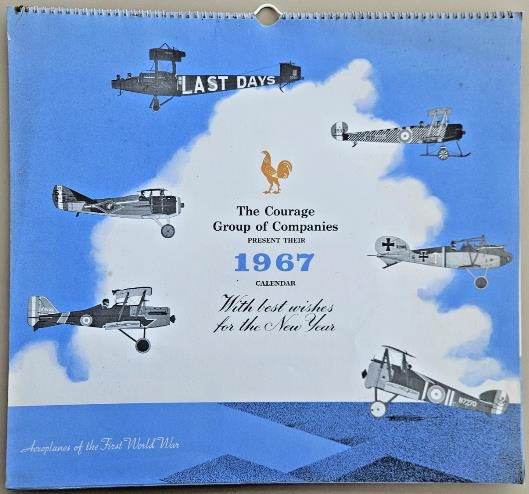
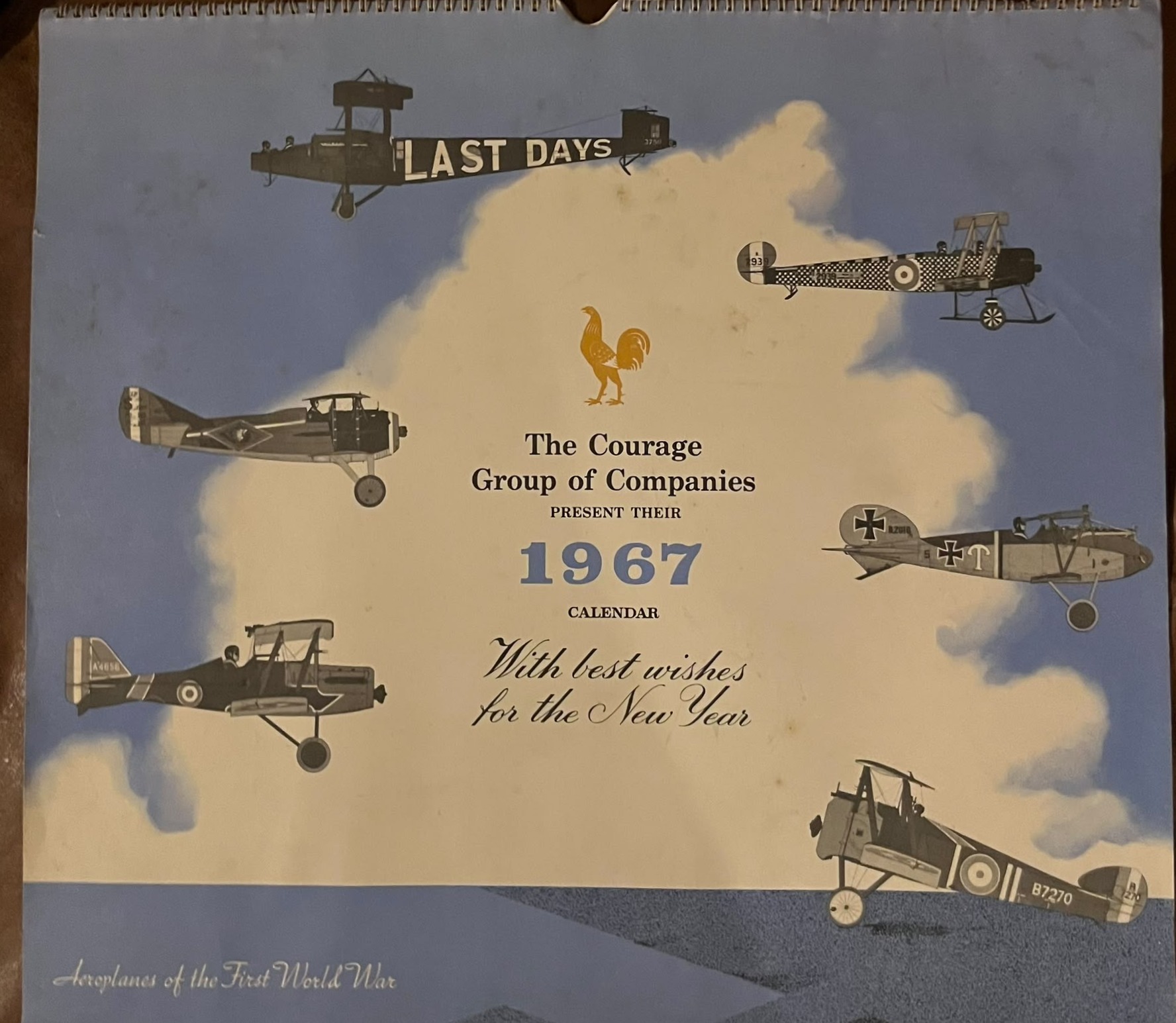
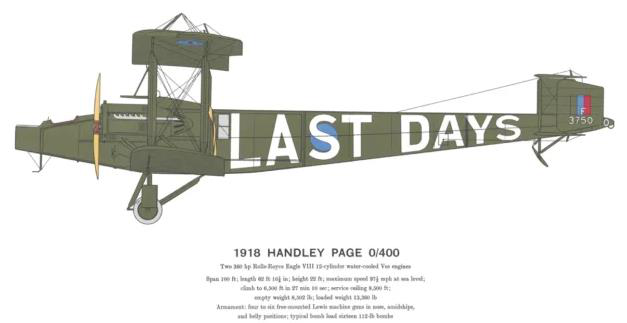
Courage Group Annual Calendar, artwork by Roy Cross, printed by Hugh Evelyn, 1967
The stories behind the artifact
The mid to late sixties saw not only a resurgence in Edwardian transport interest, but also revisiting interest in early years aviation, especially the aeroplanes of the Great War, coming 50 years after event. Various television and film projects tapped into this, with the old cars of the Avengers and Doctor Who, and film such as ‘Those Magnificent Men In Their Flying Machines’ and ‘Chitty Chitty Bang Bang.’ This filtered down also into images on wall plaques, picture frames and posters, and calendars was an extension of this, popular as they were at the time, both as work-place items and promotional gifts for clients.
The Courage Group were an English brewery firm, founded by John Courage in London, way, way back in 1787. For 150 years, they built the brand steadily, until by the 1930’s they were one of the largest brewery and public house businesses in the United Kingdom.
In March 1930, Courage acquired Noakes & Company in Bermondsey. The property consisted of the Brewery and 120 public houses around Bermondsey, and the Nevile Reid Brewery in Windsor, Berkshire with 140 public houses. Further in 1920, Noakes & Co. had purchased the Royal Brewery, Windsor of J. Canning & Son and 20 public houses. In 1931, Courage's estate consisted of 886 public houses of which 462 were in London with 273 in Hampshire /Surrey and 140 in Windsor and Slough
The post war period saw continued growth demand for beer as a result of population growth, an end to post-war austerity and, further improvements in transportation with the advent of motor vehicles. This reinforced the economic forces leading to the consolidation of the brewing industry.
In 1955, Courage and Co. Ltd merged with Barclay, Perkins & Co Ltd. at the nearby Anchor Brewery, Southwark to become Courage & Barclay Ltd. At this stage, Courage & Barclay Ltd had approximately 1,250 tied houses within the estate, consolidating Courage's presence in London. The Anchor Brewery was closed and the site converted into a bottling and packing plant.
In 1960, Courage & Barclay Ltd acquired the Reading based H & G Simonds Ltd, and the company name was changed to Courage, Barclay, Simonds & Co. Ltd.
In 1961, Georges & Co. Limited ("Georges Bristol Brewery") was acquired, based in Bristol with 1,459 tied houses. The brewery and tied houses were referred to as Courage (Western) Ltd. for a while.
In 1967, Hole & Co. Ltd, Castle Brewery, Newark-on-Trent, Nottinghamshire was taken over consisting of 220 tied houses.
The acquisitions extended Courage's business into South Wales, South West England, the East Midlands and South Yorkshire whilst increasing brewing capacity to meet anticipated greater demand. In addition, Courage's made further acquisitions in its existing territory around London and the surrounding area with purchases in Berkshire, Oxfordshire, Middlesex and Essex.
Consumer tastes began to change during this period. In the 1950s, UK brewers had realized the potential of a developing market for lagers. Guinness, an Irish brewing company, began to develop its own product, Harp Lager. Late in 1960, Guinness decided it needed a joint venture with other breweries in order to give it regional coverage for Harp Lager and enlisted the help of Courage & Barclay Ltd (for the South of England), Scottish and Newcastle breweries (for the North) and Mitchells and Butlers (for the Midlands) between them providing national coverage. As a consequence of entering into this joint venture a new brewing facility was planned for Alton at Manor Park next to the existing facility in Turk Street.
By the late 1960s, the group had assets of approximately £100m, and operated six breweries in London, Reading, Alton (two including the Harp Lager joint venture), Bristol and Newark-on-Trent. It owned 5,000 licensed premises in Southern England, South Wales, the East Midlands and South Yorkshire, employed 15,000 people and produced around 75 million imperial gallons (340,000,000 L) of beer annually.
The calendar was printed by a company called Hugh Evelyn.
Hugh Evelyn Street (1926-2007) was a publisher. He traded as Hugh Evelyn (Evelyn was his middle name). At some point he joined the Royal Navy.
Hugh left the Royal Navy to pursue a career in publishing. One day, on the desk of a friend, he noticed a drawing of a railway engine. It was simple but expressive, detailed yet decorative. The drawing, by an engineer, was an experiment in lithography which ignited Hugh’s decision to publish images created with precision and accuracy. He thought 18th Century print makers would have used plates like these to exploit the detail and decoration the 20th century camera often underplayed had they lived in these times. So, he adopted these ideas with artists and skilled draughtsmen to make sensitive use of line-enclosing areas with exact colour. This is where lithography excelled.
Early on Hugh recognised an opportunity for colourful artwork to show the history of military uniforms and costume. He published over 40 books, all of which are long out of print. But he decided the prints justified their own outlet. Until the end of the 1960’s Hugh had a shop in London where he sold his books alongside these and other prints.
Some of his artists were, or were to become famous: John Mollo, who drew our mediaeval knights, and Light Brigade images, won two Oscars as a costume designer for Star Wars IV and Gandhi; artist George Oliver, who was a much sought-after automobile artist who produced images for the official Histoire de Citroën in France; Faith Jaques, illustrator, who created the original drawings for Roald Dahl’s Charlie and the Chocolate Factory and later, Nina Bawden’s children’s classic Carrie’s War; Lawrence Dunn, who worked for the Admiralty in ship recognition during WWII and later wrote a number of marine books; he was also an illustrator for The Eagle, a boys weekly, Everybody’s and Sphere; Colonel Philip Smitherman, was in the Royal Army signal Corps, and who spent the war and much of his career in the Middle East and later in the Indian subcontinent. After retiring from the army in 1959 he authored 7 books on the history of army uniforms published by Hugh Evelyn. And lastly, Roy Cross, an accomplished marine and aviation painter, who became known as the man who made Airfix the best-known model brand in the 1960’s and 70’s with his box cover artwork.
Hugh Street died in 2007, and some months after his death, a large number of prints were discovered that had been in storage for upwards of 50 years. These are available to buy from a website which is easily found by any search engine, and also online auction sites, where you can still pick up prints, wall plaques, and many of his books.
Roy Cross (23rd April 1924 – 24th April 2024), was born in Camberwell, London. As an artist, he was mainly self-taught, although he did attend the Camberwell School of Art. During World War II, he worked for Fairey Aviation, as a technical illustrator for training manuals. Here he honed his skill as an aviation artist. His work involved creating detailed illustrations that provided practical guidance and information to pilots and other aviation personnel. These illustrations were crucial in helping to train new recruits for the Royal Air Force. Cross's skills in technical illustration were a significant asset during the war.
He progressed from there to producing advertising art for the aircraft industry and other companies. He illustrated for The Aeroplane, where he had cover illustrations published, and the Eagle comic.
In 1952 he joined the Society of Aviation Artists, but it is for his work at Airfix which he is best known. He started in 1964 with the box art for Airfix's Do 217 and his last work for them was the box art for the German heavy cruiser Prinz Eugen, in 1974. Much of the original Airfix artwork was destroyed, but it survives on the top of the boxes and on the modelling instructions on many millions of boxes remain in circulation.
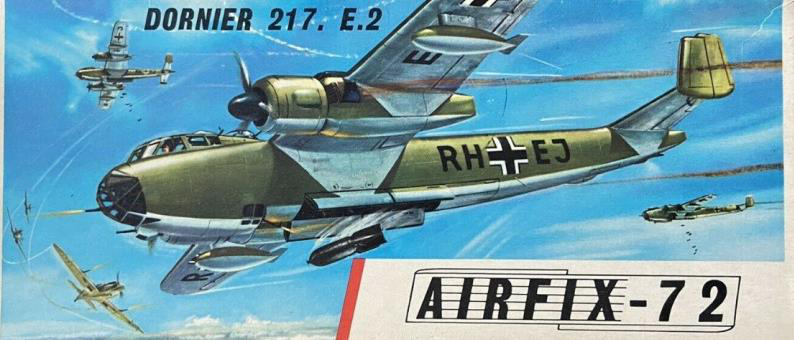
Roy Cross’ first design for Airfix Dornier Do217, 1964
Cross was interviewed by James May in an episode of the TV series, James May's Top Toys, discussing the changing tastes in box art and the airbrushing out of bombs and explosions from his pictures. Cross died after a short illness on 24th April 2024, one day after his 100th birthday. He has left a lasting legacy in the aeronautical world with his accurate and precise depiction of aeroplanes throughout the ages.
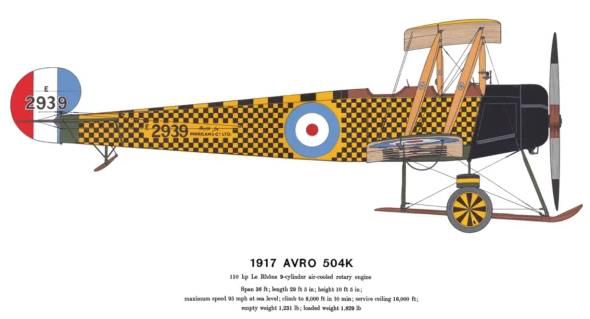
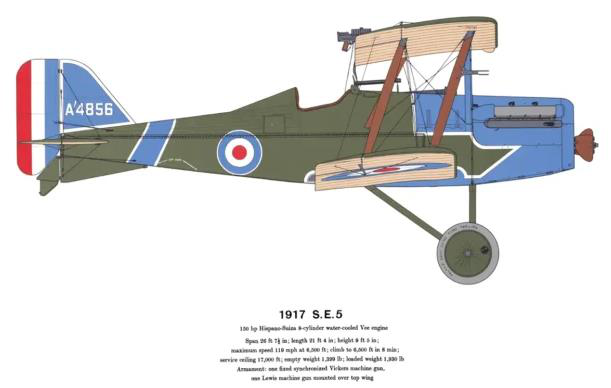
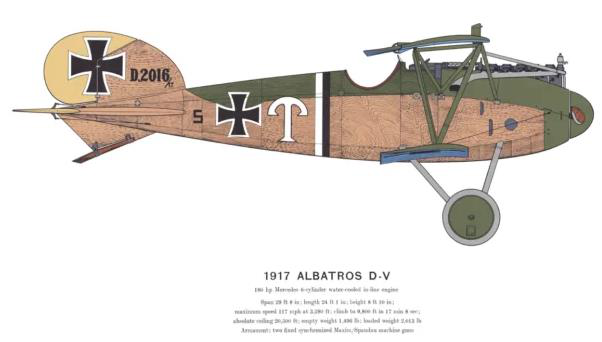
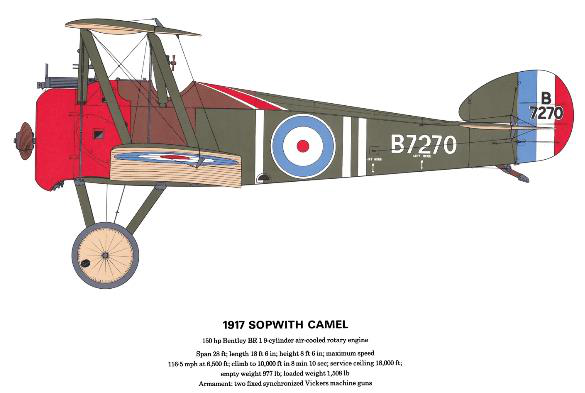
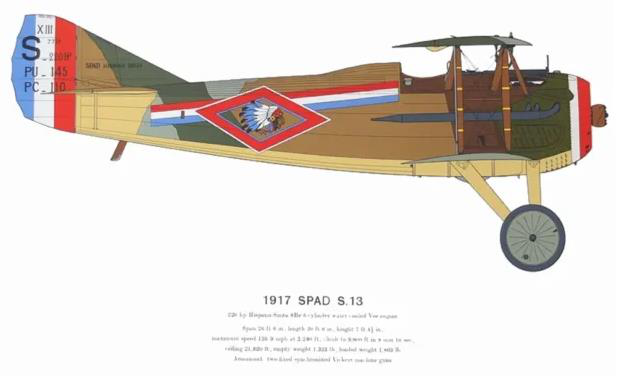
Below are the six Roy Cross images in the calendar.
Leave a Reply